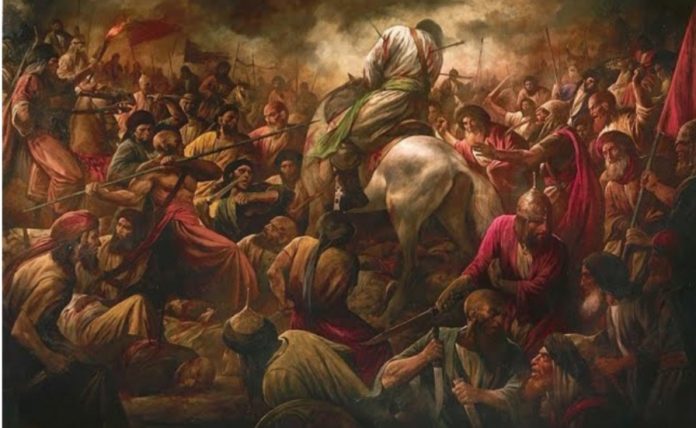
Battle of Karbala
The Battle of Karbala is one of the most significant and emotional events in Islamic history. It symbolizes courage, sacrifice, justice, and unwavering faith in the face of oppression. The battle took place between Imam Hussain ibn Ali (AS), the beloved grandson of Prophet Muhammad (PBUH), and the forces of the Umayyad ruler Yazid ibn Muawiyah.
More than thirteen centuries later, the events of Karbala continue to inspire millions of Muslims around the world. The story of Imam Hussain’s stand against tyranny has become a universal symbol of truth and resistance against injustice.
This comprehensive guide explores the battle of karbala history, the reasons behind the conflict, its key events, and its lasting impact on the Muslim world.
What Is Karbala in Islam?
One of the most commonly asked questions is: what is Karbala in Islam?
Karbala is a city located in present-day Iraq. It is regarded as one of the holiest cities in Islam because it is the site where Imam Hussain (AS), along with his family members and companions, was martyred.
For Muslims, particularly those who commemorate the events of Muharram, Karbala represents sacrifice, patience, steadfastness, and devotion to Islamic principles. The city attracts millions of pilgrims annually who visit the shrine of Imam Hussain (AS) to pay their respects.
Battle of Karbala Date
The battle of Karbala date is recorded as 10 Muharram 61 AH, which corresponds to 10 October 680 CE according to historical sources.
The day is widely known as Ashura, one of the most important dates in Islamic history. Every year, Muslims around the world remember the sacrifices made by Imam Hussain (AS) and his companions on this day.
Historical Background of the Battle of Karbala
To understand the significance of Karbala, it is important to examine the political circumstances of the time.
After the death of Muawiyah ibn Abi Sufyan, leadership of the Umayyad Caliphate passed to his son Yazid. Many prominent Muslims objected to this succession because they believed leadership should be based on merit, justice, and consultation rather than hereditary rule.
Imam Hussain (AS), the grandson of Prophet Muhammad (PBUH), refused to pledge allegiance to Yazid. He believed that accepting Yazid’s authority would legitimize practices that contradicted Islamic principles.
This disagreement eventually led to one of the most defining moments in Islamic history.
Why Did the Battle of Karbala Happen?
A common question is: why did the battle of Karbala happen?
The conflict arose because Imam Hussain (AS) refused to recognize Yazid’s rule. Imam Hussain believed that leadership in the Muslim community should uphold justice, morality, and the teachings of Islam.
Residents of Kufa in present-day Iraq sent numerous letters inviting Imam Hussain to lead them and challenge Yazid’s authority. Trusting these invitations, Imam Hussain set out toward Kufa with his family and a small group of loyal companions.
However, political circumstances changed rapidly, and Yazid’s forces moved to intercept Imam Hussain before he could reach the city.
Journey to Karbala
As Imam Hussain traveled toward Iraq, he encountered increasing pressure from Umayyad officials.
Eventually, his caravan was stopped and directed toward the plains of Karbala. There, Yazid’s army surrounded Imam Hussain and prevented access to water from the Euphrates River.
Despite being vastly outnumbered, Imam Hussain refused to compromise his principles or submit to what he considered unjust rule.
Imam Hussain Battle of Karbala
The Imam Hussain battle of Karbala represents one of history’s most powerful examples of moral courage.
Imam Hussain’s group consisted of family members and a small number of devoted supporters. Historical accounts indicate that their numbers were significantly smaller than the opposing army.
In the days leading up to Ashura, Imam Hussain repeatedly sought peaceful solutions and emphasized that he did not seek conflict. Nevertheless, the Umayyad forces insisted on unconditional allegiance to Yazid.
When negotiations failed, battle became unavoidable.
Events of Ashura
On the morning of Ashura, Imam Hussain addressed both his followers and the opposing army.
He reminded them of his relationship to Prophet Muhammad (PBUH) and urged them to reconsider their actions. Despite these appeals, fighting began.
Throughout the day, Imam Hussain’s companions displayed extraordinary bravery. One by one, they were martyred while defending their leader and principles.
Among those who sacrificed their lives were family members, friends, and loyal supporters.
The tragedy reached its peak when Imam Hussain (AS) himself entered the battlefield and was ultimately martyred.
Who Won the Battle of Karbala?
Many people ask: who won the battle of Karbala?
From a military perspective, Yazid’s forces achieved victory because they defeated Imam Hussain’s small group.
However, from a moral and historical perspective, many Muslims believe Imam Hussain emerged as the true victor. His sacrifice preserved essential Islamic values and exposed injustice and oppression.
The memory of Karbala has endured for centuries, while Imam Hussain’s stand for truth continues to inspire people across cultures and generations.
The Martyrdom of Imam Hussain (AS)
The martyrdom of Imam Hussain remains one of the most heartbreaking events in Islamic history.
His death marked not only the loss of a beloved grandson of Prophet Muhammad (PBUH) but also a defining moment in the struggle between justice and tyranny.
Muslims remember Imam Hussain’s sacrifice as a reminder that standing for truth often requires immense courage and personal sacrifice.
The Role of Hazrat Zainab (RA)
Following the battle, Hazrat Zainab bint Ali (RA), the sister of Imam Hussain, played a crucial role in preserving and communicating the message of Karbala.
She demonstrated remarkable courage while caring for survivors and speaking out against injustice.
Many historians believe her efforts ensured that the lessons of Karbala would be remembered by future generations.
Legacy of the Battle of Karbala
The legacy of the battle of karbala extends far beyond a single historical event.
Its lessons include:
- Standing against oppression
- Defending truth and justice
- Remaining steadfast in faith
- Sacrificing personal interests for moral principles
- Preserving religious values
These themes continue to resonate with Muslims and non-Muslims alike.
Karbala and Islamic Values
The events of Karbala highlight several core Islamic values:
Justice
Imam Hussain refused to compromise when he believed justice was at stake.
Patience
The hardships endured by Imam Hussain and his family demonstrate extraordinary patience and perseverance.
Sacrifice
The willingness to sacrifice personal safety for higher principles remains one of Karbala’s most enduring lessons.
Faith
Despite overwhelming odds, Imam Hussain maintained complete faith in Allah.
Remembering Karbala Today
Millions of Muslims commemorate the events of Karbala every year during Muharram.
Religious gatherings, lectures, and educational programs help preserve the memory of Imam Hussain’s sacrifice.
Many believers also use this period to reflect on their own commitment to justice, compassion, and faith.
Those seeking to deepen their understanding of Islamic history and spirituality may also benefit from reading our guide on Day of Arafah 2026, which highlights another significant occasion in the Islamic calendar.
Similarly, Muslims interested in major acts of worship can explore our detailed guide on How to Perform Hajj to learn about the pilgrimage that unites Muslims from around the world.
Battle of Karbala Imam Hussain HD and Historical Visuals
In the digital era, many people search for terms such as battle of Karbala Imam Hussain HD and flag battle of Karbala Imam Hussain HD to find artwork, documentaries, historical illustrations, and educational resources related to Karbala.
While visual representations vary across cultures and traditions, the central message remains the same: remembrance of Imam Hussain’s sacrifice and commitment to justice.
Frequently Asked Questions
What is Karbala in Islam?
Karbala is a holy city in Iraq where Imam Hussain (AS) and his companions were martyred during the Battle of Karbala in 680 CE.
What was the Battle of Karbala?
The Battle of Karbala was a conflict between Imam Hussain ibn Ali (AS) and the forces of Yazid ibn Muawiyah that took place on 10 Muharram 61 AH.
Why did the Battle of Karbala happen?
The battle occurred because Imam Hussain refused to pledge allegiance to Yazid, believing that his leadership did not represent the principles of justice and Islam.
Who won the Battle of Karbala?
Militarily, Yazid’s forces won the battle. However, many Muslims regard Imam Hussain as the moral victor because his sacrifice became a lasting symbol of truth and resistance against oppression.
What is the significance of Ashura?
Ashura marks the tenth day of Muharram and commemorates the martyrdom of Imam Hussain (AS) at Karbala.
Why is Imam Hussain important in Islam?
Imam Hussain is revered as the grandson of Prophet Muhammad (PBUH) and is remembered for his courage, sacrifice, and commitment to justice.
Conclusion
The battle of Karbala remains one of the most powerful and transformative events in Islamic history. The courage displayed by Imam Hussain (AS), his family, and his companions continues to inspire people across the world to stand for justice, truth, and faith.
More than thirteen centuries later, the lessons of Karbala remain as relevant as ever. The story reminds humanity that moral courage often matters more than worldly power and that the pursuit of justice can leave a legacy that transcends generations.