
Islam
Ashura Duas and Significance: Virtues, Recommended Acts, and Spiritual Benefits

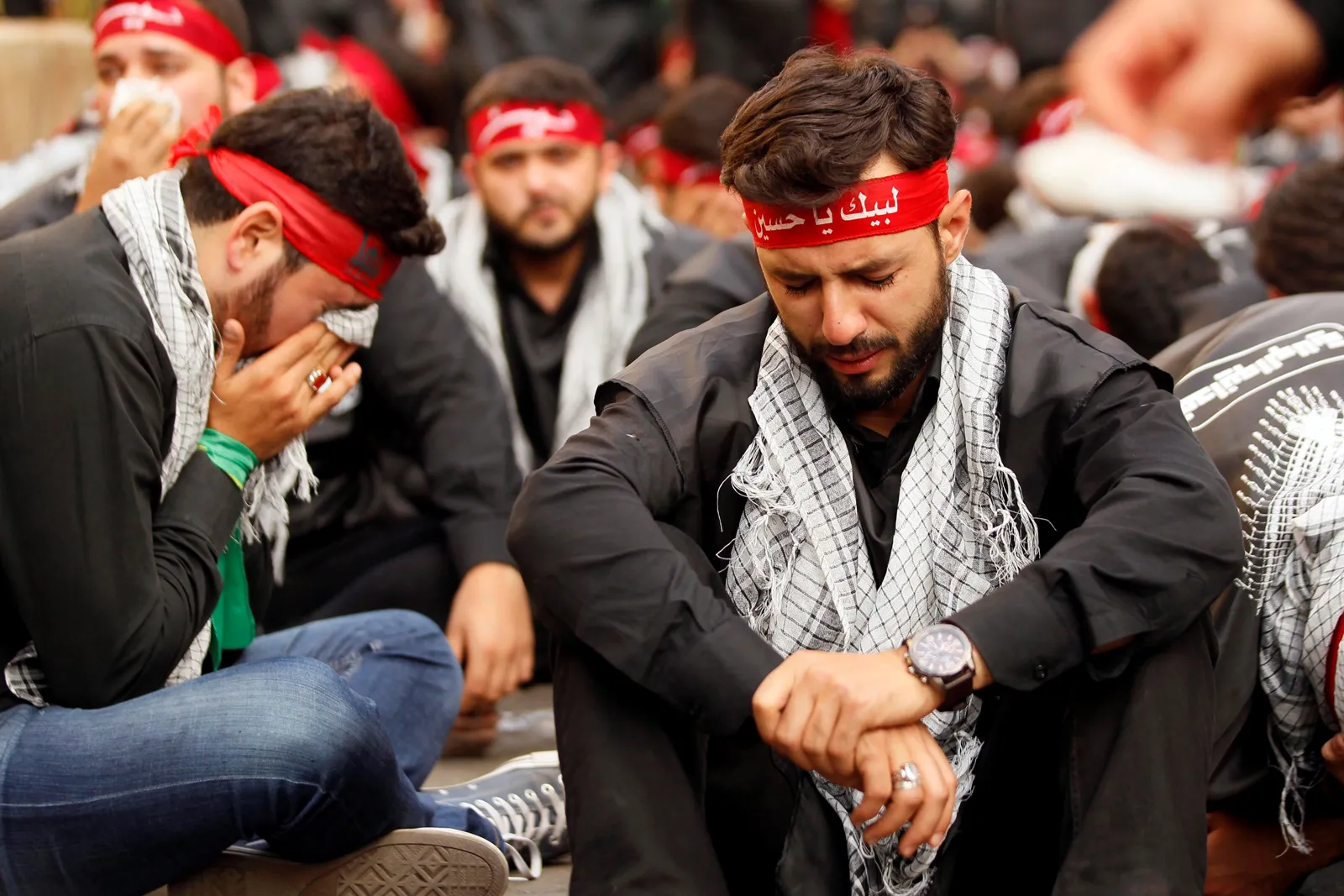
Ashura Duas and Significance
The Day of Ashura, observed on the 10th of Muharram, is one of the most significant days in the Islamic calendar. It carries profound historical, spiritual, and religious importance for Muslims around the world. From the story of Prophet Musa (AS) and the liberation of the Children of Israel to the remembrance of Imam Hussain’s sacrifice in Karbala, Ashura serves as a powerful reminder of faith, patience, gratitude, and devotion to Allah. Many Muslims increase their worship on this day through fasting, charity, recitation of the Quran, remembrance of Allah, and the recitation of Ashura duas. Understanding the significance of Ashura can help believers make the most of this blessed occasion.
What Is Ashura?
Ashura is observed on the 10th day of Muharram, the first month of the Islamic lunar calendar.
According to authentic Islamic traditions, Prophet Muhammad (PBUH) observed that the Jewish community of Madinah fasted on this day to commemorate Allah’s salvation of Prophet Musa (AS) and the Children of Israel from Pharaoh. The Prophet (PBUH) acknowledged the importance of this event and encouraged Muslims to fast on Ashura.
Today, Ashura is remembered for multiple reasons, including:
- The deliverance of Prophet Musa (AS)
- The virtues of fasting
- Seeking forgiveness from Allah
- Reflection on patience and sacrifice
- Remembering the martyrdom of Imam Hussain (RA)
Significance of Ashura in Islam
The significance of Ashura extends beyond a historical event. It is a day that teaches Muslims important spiritual lessons.
A Day of Gratitude
Ashura reminds believers to thank Allah for His blessings and protection. Just as Allah saved Prophet Musa (AS) and his followers, Muslims are encouraged to express gratitude through worship and remembrance.
A Day of Forgiveness
One of the greatest virtues associated with Ashura is the opportunity to seek Allah’s forgiveness.
According to authentic hadith, fasting on the Day of Ashura expiates the sins of the previous year, making it one of the most rewarding voluntary fasts in Islam.
A Day of Reflection
Ashura encourages believers to reflect on faith, patience, sacrifice, and reliance upon Allah during difficult times.
Historical Importance of Ashura
The Day of Ashura is associated with several important events in Islamic history.
Prophet Musa (AS) and Pharaoh
One of the most well-known events connected to Ashura is Allah’s miraculous rescue of Prophet Musa (AS) and the Children of Israel from Pharaoh’s oppression.
This event symbolizes the victory of truth over falsehood and serves as a reminder that Allah’s help comes to those who remain steadfast in faith.
Imam Hussain (RA) and Karbala
For many Muslims, Ashura is also a day of remembrance for the martyrdom of Imam Hussain ibn Ali (RA), the beloved grandson of Prophet Muhammad (PBUH).
The events of Karbala represent courage, sacrifice, and standing firm against injustice. To learn more about this historic event, read our detailed guide on Battle of Karbala.
Virtues of Fasting on Ashura
Why Is Fasting on Ashura Important?
Fasting on Ashura is one of the most highly recommended voluntary acts of worship in Islam.
The Prophet Muhammad (PBUH) encouraged Muslims to fast on this day due to its immense spiritual rewards.
Reward of Fasting Ashura
According to authentic narrations, fasting on Ashura is a means of expiation for the minor sins of the previous year.
This tremendous reward makes Ashura one of the most spiritually beneficial days outside of Ramadan.
Fasting on the 9th and 10th of Muharram
Many scholars recommend fasting on both the 9th and 10th of Muharram or the 10th and 11th of Muharram to distinguish the Islamic practice from that of other communities.
Recommended Ashura Duas
Many believers seek blessings by reciting Ashura duas throughout the day. While there is no single obligatory dua specifically prescribed for Ashura, Muslims are encouraged to engage in abundant remembrance of Allah and make sincere supplications.
Dua for Forgiveness
رَبِّ اغْفِرْ لِي وَتُبْ عَلَيَّ إِنَّكَ أَنْتَ التَّوَّابُ الرَّحِيمُ
Transliteration:
Rabbi ighfir li wa tub ‘alayya innaka Antat-Tawwabur-Raheem.
Translation:
“My Lord, forgive me and accept my repentance. Indeed, You are the Accepting of Repentance, the Most Merciful.”
Dua for Guidance
رَبَّنَا لَا تُزِغْ قُلُوبَنَا بَعْدَ إِذْ هَدَيْتَنَا
Translation:
“Our Lord, do not let our hearts deviate after You have guided us.”
Istighfar
Repeatedly reciting:
Astaghfirullah wa atubu ilayh
is highly recommended on Ashura and throughout the Islamic year.
Dua-e-Ashura

Many Muslims also recite what is commonly known as Dua-e-Ashura, a supplication that includes praise of Allah, seeking protection, blessings, and forgiveness.
While versions may vary across communities, the primary purpose remains increasing remembrance of Allah and strengthening one’s spiritual connection with Him.
Before reciting any specific supplication, Muslims should ensure it aligns with authentic Islamic teachings and reputable scholarly guidance.
Recommended Acts of Worship on Ashura
1. Fasting
Fasting remains the most emphasized Sunnah of Ashura.
2. Recitation of the Quran
Reading and reflecting on the Quran helps believers strengthen their relationship with Allah.
3. Making Duas
Ashura is an excellent opportunity to make personal supplications for oneself, family members, and the wider Muslim community.
4. Charity
Giving charity on Ashura is encouraged as a means of earning rewards and helping those in need.
5. Dhikr
Frequent remembrance of Allah through phrases such as:
- SubhanAllah
- Alhamdulillah
- Allahu Akbar
- La ilaha illallah
helps increase spiritual awareness.
Lessons We Learn from Ashura
Patience During Hardship
The stories associated with Ashura demonstrate the importance of patience during trials.
Trust in Allah
Whether reflecting on Prophet Musa’s deliverance or Imam Hussain’s sacrifice, believers are reminded to place complete trust in Allah.
Standing for Truth
Ashura teaches that truth and justice should never be compromised, even in difficult circumstances.
Gratitude
The day reminds Muslims to remain thankful for Allah’s countless blessings.
Common Misconceptions About Ashura
Is Ashura Only About Karbala?
No. Ashura has significance that predates the events of Karbala and includes the story of Prophet Musa (AS) and numerous acts of worship encouraged by the Prophet Muhammad (PBUH).
Is Fasting Mandatory on Ashura?
No. Fasting on Ashura is highly recommended but not obligatory.
Can Muslims Make Personal Duas on Ashura?
Yes. Muslims are encouraged to make sincere personal supplications throughout the day.
Ashura Duas and Significance: Frequently Asked Questions
What is Ashura in Islam?
Ashura is the 10th day of Muharram and is one of the most significant days in the Islamic calendar.
What are Ashura duas?
Ashura duas refer to supplications, prayers, and remembrances recited on the Day of Ashura to seek Allah’s mercy, forgiveness, and blessings.
What is the reward for fasting on Ashura?
According to authentic hadith, fasting on Ashura expiates the sins of the previous year.
Why is Ashura important?
Ashura commemorates Allah’s rescue of Prophet Musa (AS), encourages fasting and worship, and serves as a day of reflection on important events in Islamic history.
Can I fast only on the 10th of Muharram?
Yes, although many scholars recommend fasting an additional day (either the 9th or 11th) alongside Ashura.
Conclusion
The Day of Ashura is a powerful reminder of faith, gratitude, patience, and devotion to Allah. Through fasting, reciting Ashura duas, engaging in dhikr, reading the Quran, and reflecting on the lessons of Islamic history, Muslims can maximize the spiritual benefits of this blessed day.
Whether remembering the deliverance of Prophet Musa (AS) or reflecting on the sacrifices associated with Karbala, Ashura offers believers an opportunity to renew their faith and strengthen their connection with Allah Almighty.







Public Speaking Pakistan: How to Learn and Master It

Learn AI Pakistan: How to Start with Artificial Intelligence


