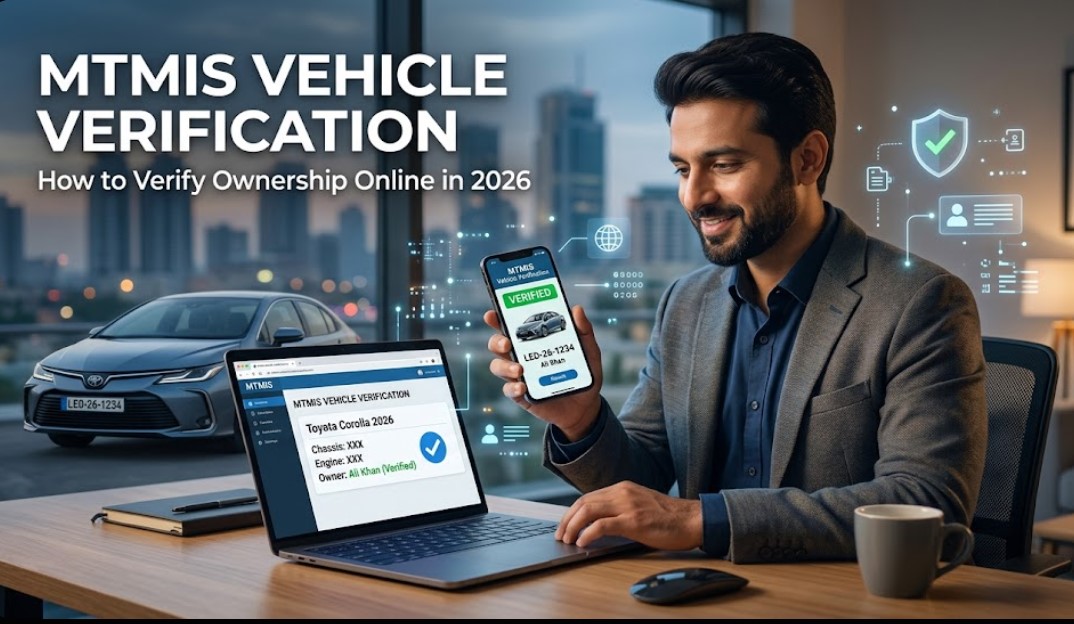
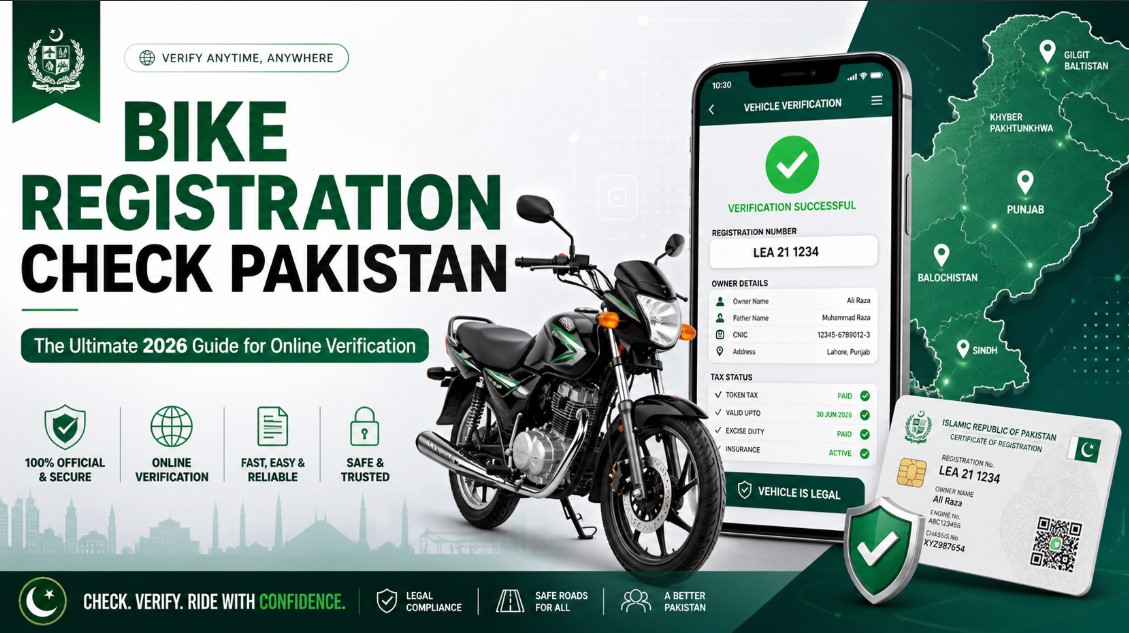
MTMIS vehicle verification is the most essential step for anyone planning to buy or sell a used vehicle in Pakistan today. In this post, we will explore the complete process of checking vehicle ownership and registration details across all provinces. Specifically, we will look at the latest digital updates for 2026 that make the process faster and more secure than ever before. Consequently, this guide serves as your ultimate resource for navigating the Motor Transport Management Information System (MTMIS).
What is MTMIS Vehicle Verification?
The Motor Transport Management Information System, commonly known as MTMIS, is a centralized database. This system allows citizens to access official records of their vehicles. For instance, it provides details about the owner’s name, the vehicle’s make, and the engine number. Moreover, it tracks the status of paid token taxes. Because the government has digitized these records, users can access them from the comfort of their homes.
In the past, people had to visit excise offices and wait in long queues. However, the introduction of MTMIS vehicle verification changed everything. Now, you only need a stable internet connection and the vehicle’s registration number. This system is particularly useful for identifying stolen cars or vehicles with tampered documents. Furthermore, it ensures that the seller is the actual legal owner of the vehicle.
Why is Vehicle Verification Important in 2026?
As we move through 2026, the used car market in Pakistan continues to grow rapidly. Unfortunately, this growth also brings an increase in fraudulent activities. For example, some sellers may try to sell vehicles with unpaid taxes or fake registration papers. Therefore, performing a thorough check is vital for your financial safety.
Additionally, knowing the legal status of a vehicle prevents future legal headaches. If you buy a car that was involved in a crime, you could face serious consequences. By using the MTMIS vehicle verification portal, you can confirm that the vehicle has a clean record. Similarly, you can verify if the biometric transfer has been completed. This is crucial because, by 2026, the biometric system has become the standard for all vehicle transfers in Pakistan.
How to Verify Vehicle Ownership in Punjab
Punjab has the most advanced MTMIS portal in the country. To verify a vehicle in Punjab, you must visit the official Punjab Excise, Taxation, and Narcotics Control Department website.
Step-by-Step Process for Punjab
- Visit the Portal: Open your browser and go to the official MTMIS Punjab website.
- Enter Plate Number: Look for the search bar on the homepage. Enter the registration number of the vehicle.
- Format Matters: Make sure you use the correct format, such as “LEA-26-1234.”
- Solve the CAPTCHA: This is a security step to prove you are a human.
- Click Search: After clicking search, the system will fetch the data from the central database.
Once the results appear, you will see a detailed table. This table includes the owner’s name, parentage, and city of residence. Moreover, it lists the vehicle’s technical specifications. These specs include the chassis number and engine number. If you find any discrepancies between the online data and the physical documents, you should be cautious.
Detailed Information Provided in Punjab
The Punjab portal is known for its depth. For instance, it shows the “Vehicle Price” at the time of first registration. This is helpful for buyers to understand the car’s history. Furthermore, it displays the “Token Tax Paid Up To” date. If the tax is not updated until 2026, you may have to pay heavy penalties later.
In addition to this, the portal lists the “Current Status” of the vehicle. It might say “Active” or “Blocked.” A blocked status usually indicates a legal issue or a failure to pay taxes. Therefore, always ensure the status is clear before making a payment.
MTMIS Vehicle Verification in Sindh
If you are located in Karachi, Hyderabad, or any other city in Sindh, the process is slightly different. The Sindh Excise department has its own online portal for vehicle searches.
Step-by-Step Process for Sindh
- Access the Sindh Portal: Navigate to the official Excise Sindh website.
- Select Vehicle Category: Choose between “Four Wheelers” or “Two Wheelers.”
- Enter Registration Number: Input the number plate details correctly.
- Review the Results: The system will display the owner’s name and registration date.
For more detailed information specifically about Sindh’s procedures, you can read our guide on how to verify your vehicle in Sindh. This will help you understand the nuances of the provincial system.
Sindh’s Latest Digital Initiatives 2026
By April 2026, the Sindh government has fully integrated its mobile application. The “Excise Sindh” app allows users to check vehicle status on the go. This app is highly beneficial for people visiting car markets. Instead of using a laptop, they can simply pull out their phones and perform an MTMIS vehicle verification instantly.
Moreover, the Sindh portal now includes a “Tax Calculator.” This tool helps you estimate how much tax is due for your specific vehicle model. Consequently, you can negotiate the price with the seller based on any outstanding dues.
MTMIS Vehicle Verification in Islamabad (ICT)
The Islamabad Capital Territory (ICT) administration has streamlined its verification process. The “City Islamabad App” is the primary tool for citizens in the capital.
Using the City Islamabad App
In this post, we emphasize using official apps for better security. The City Islamabad App provides a secure gateway to the excise database. First, you need to download the app from the Google Play Store or Apple App Store. Second, register using your CNIC. Finally, navigate to the “Excise and Taxation” section to verify any vehicle registered in Islamabad.
Benefits of Islamabad Verification
Islamabad vehicles often have a higher resale value because of their transparent records. When you perform MTMIS vehicle verification for an ICT-registered car, you get a comprehensive report. This report includes the “Registration Date,” “Make,” and “Model.”
Furthermore, the app allows you to check if there are any outstanding traffic fines (Challans). If a car has multiple unpaid fines, it could be a red flag. Therefore, verifying the fine status is just as important as checking ownership.
Vehicle Verification in Khyber Pakhtunkhwa (KP)
The government of Khyber Pakhtunkhwa has also updated its portal for 2026. The KP Excise department offers an online “Motor Vehicle Records” search.
How to Check KP Registered Vehicles
- Visit KP Excise Website: Go to the official KP Excise, Taxation, and Narcotics Control Department page.
- Enter District and Number: Unlike other provinces, you might need to select the specific district of registration.
- Verify Details: Check the chassis number and owner history.
If you are dealing with a vehicle in Peshawar, you might also be interested in other license-related services. For example, check out our post on how to renew driving license in Peshawar. This is useful because keeping your license updated is just as important as keeping your vehicle registration current.
Balochistan Vehicle Verification Status
As of April 2026, Balochistan is making significant strides in digitizing its records. While a centralized MTMIS portal like Punjab is still evolving, the provincial government has launched a “Digital Monitoring System.”
Currently, many verifications in Balochistan are handled through the District Excise offices. However, some online services are becoming available for Quetta-registered vehicles. If you cannot find a vehicle online, it is highly recommended to visit the Quetta Excise office for a manual verification. This ensures that you are not buying a “Non-Custom Paid” (NCP) vehicle, which is a common risk in this region.
Understanding the Details in Your Verification Report
When you perform an MTMIS vehicle verification, the system returns a lot of data. Understanding this data in detail is crucial.
1. Owner Information
The report shows the “Owner Name.” You must compare this with the seller’s CNIC. If the names do not match, the seller may be using an “Open Transfer Letter.” In 2026, selling cars on open letters is illegal and can lead to vehicle impoundment.
2. Vehicle Specifications
- Chassis Number: This is the vehicle’s unique ID. Always match the number on the engine bay with the one shown in the MTMIS vehicle verification result.
- Engine Number: Similar to the chassis, this must match the physical engine. If the engine has been replaced, it must be updated in the excise records.
- Make and Model: Ensure the year of manufacture matches the documents.
3. Registration Status
The “Registration Date” tells you how long the vehicle has been on the road. Additionally, check the “Color.” If the car was originally white but is now black, it must have a “Color Change” certificate. Without this, the vehicle is technically illegal.
4. Tax History
One of the biggest advantages of MTMIS vehicle verification is checking the tax status. The system shows “Token Tax Paid Up To.” If it says 2024 or 2025, you are responsible for the remaining years. In 2026, tax rates have been updated.
SMS-Based Vehicle Verification
Sometimes, you might not have access to the internet. In such cases, SMS verification is a life-saver. Most provinces offer a shortcode for this purpose.
- Punjab: Send the registration number to 8775.
- Islamabad: Send the registration number to 8521.
- Sindh: While primarily web-based, some third-party services provide SMS links, but using the official app is better.
Simply type your plate number and send it to the respective code. Within seconds, you will receive a reply with the owner’s name and tax status. This is the quickest way to perform MTMIS vehicle verification while standing at a car dealership.
The Role of NADRA in Vehicle Verification
In 2026, the integration between the Excise Department and NADRA is stronger than ever. This integration is designed to prevent identity theft. When you transfer a vehicle, you must undergo biometric verification.
If you are curious about how these digital identity services work, you can learn how to get NADRA tracking and verification service online. This helps you understand how your personal data is protected and used during the vehicle transfer process.
Biometric Verification Process
Before completing a sale, both the buyer and seller must visit a NADRA e-Sahulat center or an Excise office. They provide their fingerprints to confirm the transfer. Consequently, the MTMIS vehicle verification record will soon reflect the new owner’s name. This system has virtually eliminated the problem of “unknown owners” on the road.
Common Error Messages in MTMIS
While using the MTMIS vehicle verification system, you might encounter some errors. Do not panic, as these are often easy to explain.
- “Record Not Found”: This usually happens if the number is entered incorrectly. Double-check the dashes and alphabets. Alternatively, the vehicle might be very newly registered and not yet updated in the digital database.
- “Vehicle Blocked”: This is a serious message. It means the vehicle cannot be transferred. The cause could be an ongoing police investigation or a bank default.
- “Duplicate Book Issued”: This indicates that the original registration book was lost. While not a deal-breaker, it can lower the resale value of the car.
Transitioning to a Digital Future: What’s New in 2026?
The year 2026 has brought several “Smart” features to the excise system. For instance, many vehicles now come with “Smart Cards” instead of paper books. These cards have a built-in chip that stores all the data found in an MTMIS vehicle verification report.
Moreover, the government has introduced “Virtual Registration.” This allows you to keep a digital copy of your vehicle documents on your smartphone. Traffic police can now scan a QR code on your windshield to verify your ownership instantly. This move towards a paperless environment makes the MTMIS vehicle verification process even more central to daily life.
Tips for a Safe Vehicle Purchase
To ensure a smooth experience, follow these professional tips:
- Never Skip Verification: Even if the seller is a friend, always perform MTMIS vehicle verification.
- Check Physical Plates: Ensure the number plates are original and issued by the Excise department. Fake plates are a common sign of a “non-duty paid” vehicle.
- Verify the Filer Status: In Pakistan, tax rates differ for “Filers” and “Non-Filers.” Checking the owner’s tax status via MTMIS can save you thousands in transfer fees.
- Inspect the Chassis Plate: Look for signs of welding or tampering around the chassis number. If it doesn’t match the MTMIS vehicle verification result exactly, walk away from the deal.
- Use Official Channels: Always use the official government websites and apps mentioned in this post. Avoid third-party websites that ask for fees to show public records.
Frequently Asked Questions (FAQs)
Can I verify a motorbike via MTMIS?
Yes, the MTMIS vehicle verification system covers all types of registered vehicles. This includes motorbikes, cars, trucks, and even commercial buses.
Is the MTMIS data 100% accurate?
Generally, yes. However, there can be a delay in updating records after a transfer. If you have just bought a car, it might take a few weeks for your name to appear in the MTMIS vehicle verification portal.
What should I do if the owner’s name is wrong?
If the online record shows a different name than the documents, you must ask the seller for an explanation. It is likely the vehicle was never officially transferred. In such cases, insist on a biometric transfer before paying.
Are there any charges for online verification?
No, performing an MTMIS vehicle verification on official government portals is completely free of charge. You only pay for physical inspections or detailed certified extracts if required for court cases.
Conclusion
In conclusion, maintaining a clear record of your vehicle is a legal and moral responsibility. The MTMIS vehicle verification system provides a transparent way to ensure that the streets of Pakistan are safe from illegal vehicles. Whether you are in Lahore, Karachi, or Islamabad, the digital tools available in 2026 make verification a simple task.
By following the steps outlined in this post, you can protect yourself from fraud and legal trouble. Always remember to match the digital data with physical evidence. Furthermore, stay updated with the latest tax and fee changes to manage your vehicle expenses effectively. Verification is not just a choice; it is a necessity for every responsible citizen.