Islam
The Incredible Benefits of Fasting in Islam: Spiritual, Physical, and Mental

Published
1 month agoon
By
Hamza Tahir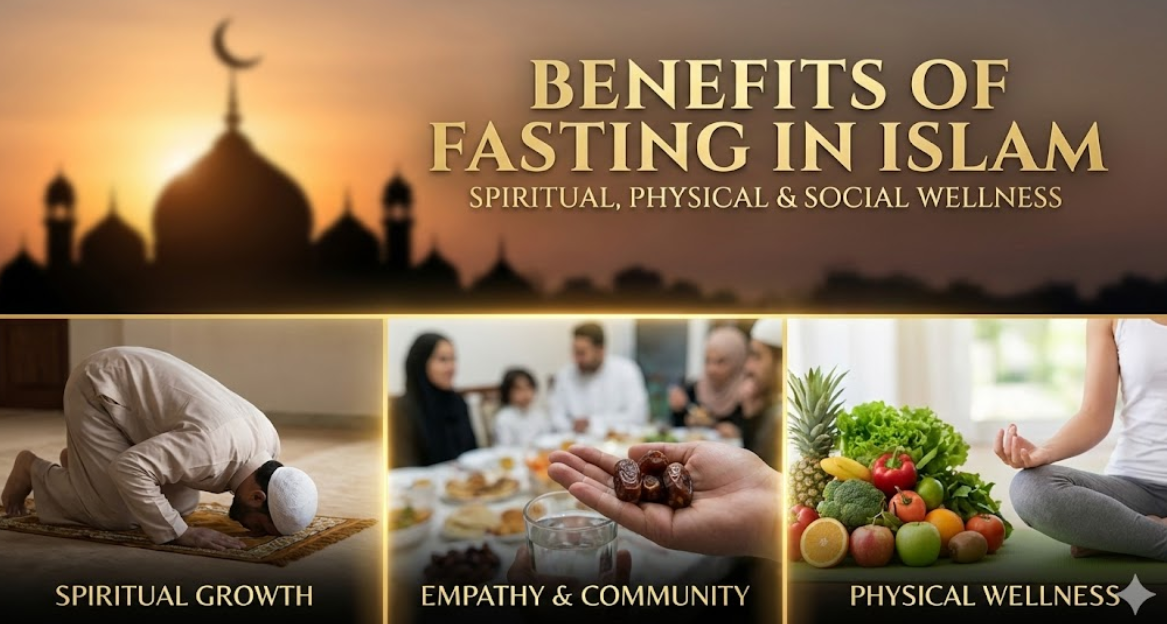
Every single year, millions of Muslims globally welcome the holy month of Ramadan. They eagerly prepare to stay away from all food and drink from dawn until sunset. Naturally, people looking from the outside often wonder why anyone would voluntarily choose this difficult path. They frequently ask about the true benefits of fasting in Islam.
Actually, Islam never commands a practice without a profound, life-changing purpose. Fasting, known as Sawm, serves as the fourth pillar of the Islamic faith. It is definitely not a simple exercise in starvation. Instead, it operates as a deeply transformative, holistic training program.
Are you currently looking to understand why Muslims fast? Perhaps you want to discover how this ancient religious practice impacts the modern human body. If so, you will quickly find that the benefits of fasting are incredibly vast. They touch every single aspect of human life. In this comprehensive guide, we will explore the spiritual, physical, mental, and social rewards of this beautiful Islamic tradition. Ultimately, you will see exactly why this month brings so much joy to believers worldwide.
The Deep Spiritual Benefits of Fasting
First and foremost, Muslims fast strictly to obey Allah. Therefore, the spiritual rewards always remain the primary focus of Ramadan. The spiritual benefits of fasting rapidly elevate a believer’s status and purify their soul.
1. Attaining Taqwa (God-Consciousness)
The Holy Quran explicitly states the ultimate goal of fasting. Surah Al-Baqarah (2:183) declares: “O you who have believed, decreed upon you is fasting as it was decreed upon those before you that you may become righteous.” This specific righteousness is called Taqwa. Essentially, Taqwa means building a highly sensitive awareness of God. For example, a fasting person alone in a room will never drink water, simply because they know Allah is watching. Consequently, fasting trains the human heart to carry this profound awareness into everyday life.
2. A Private, Hidden Worship
Generally, people can easily observe most acts of worship. When you pray in a mosque or give charity publicly, others see your actions. Fasting, however, remains a completely private secret. Only you and your Creator truly know if you are fasting. Because it relies entirely on total sincerity, Allah promises a highly unique reward. In a famous Hadith Qudsi, God beautifully states: “Fasting is for Me, and I alone will reward it.” ### 3. Complete Forgiveness of Past Sins
Human beings constantly make daily mistakes. Fortunately, Ramadan acts as a massive spiritual eraser. Prophet Muhammad (peace be upon him) clearly explained this specific blessing. He stated that whoever fasts during Ramadan with sincere faith and strong hope will receive complete forgiveness for all their previous sins. Therefore, one of the greatest benefits of fasting is the chance to wipe your slate completely clean. You successfully emerge from the month feeling spiritually reborn.
4. Fasting as a Protective Shield
The Prophet Muhammad (peace be upon him) also famously described fasting as a strong shield. Specifically, it protects believers from the dangerous fires of Hell. Furthermore, it actively shields them from committing worldly sins. When you purposefully give up lawful things like food and water, you quickly gain the strength to give up unlawful things like lying, cheating, and backbiting.
The Proven Physical Benefits of Fasting
While Muslims fast entirely for religious reasons, modern medical science has discovered something amazing. Doctors heavily praise intermittent fasting today. Consequently, the physical benefits of fasting are now globally recognized.
1. Intense Detoxification and Digestive Rest
Our human digestive system literally works around the clock. Therefore, fasting for 13 to 15 hours gives your stomach, liver, and intestines a much-needed, well-deserved break. During this daily resting period, your body shifts its primary focus. Instead of digesting heavy meals, it actively works on detoxifying your entire system. It quickly flushes out harmful toxins that have built up over the past year.
2. Blood Sugar Regulation and Insulin Sensitivity
Additionally, fasting naturally helps lower high blood sugar levels. It also greatly improves your body’s insulin resistance. When you do not eat for several hours, your body stops producing constant spikes of insulin. Consequently, this natural biological change can highly benefit your overall metabolic health. It acts as an excellent preventative measure against conditions like type 2 diabetes.
3. Cellular Repair and Autophagy
Scientists have discovered a brilliant bodily function called autophagy. Basically, this process acts as your body’s internal recycling program. When you fast, your healthy cells actively hunt down and destroy old, damaged cells. Therefore, one of the hidden physical benefits of fasting is massive cellular repair. This amazing process significantly reduces inflammation and protects your body from various severe diseases.
4. Healthy Weight Management
Naturally, restricting your eating window often leads to a lower caloric intake. If you eat balanced, healthy meals after sunset, fasting acts as an excellent tool for weight management. Furthermore, fasting forces your body to burn stored fat for daily energy rather than relying on constant sugar intake. As a result, many believers experience healthy weight loss by the end of the holy month.
The Mental and Psychological Benefits of Fasting
Fasting is incredibly challenging for the human mind. However, overcoming this strict challenge produces amazing psychological results. The mental benefits of fasting truly reshape a person’s character.
1. Building Unbreakable Willpower
In today’s modern world, we want instant gratification. We grab a snack the exact second we feel hungry. Fasting completely destroys this weak habit. It firmly teaches you to delay your gratification. By successfully saying “no” to your strongest biological urges, you rapidly build unbreakable willpower. Consequently, you can confidently apply this new willpower to break bad habits like smoking or excessive screen time.
2. Improved Brain Function and Clarity
Initially, the first few days of fasting might cause slight headaches. However, your brain quickly adapts. Staying away from heavy food actually triggers the sudden release of helpful brain proteins. These specific proteins promote the rapid growth of new neurons. Ultimately, this biological process leads to drastically better focus, sharp mental clarity, and improved memory during the long fasting hours.
3. Controlling Anger and Developing Patience
Ramadan is the month of extreme patience (Sabr). The physical feeling of hunger often makes people irritable. However, Islam strictly commands fasting Muslims to control their temper. If someone tries to argue with a fasting person, the believer must calmly reply, “I am fasting.” Therefore, the mental benefits of fasting include mastering your own emotions and destroying toxic anger.
The Social and Community Benefits of Fasting
Islam operates as a deeply communal religion. Therefore, the practice of fasting aims to reshape both the individual and the entire society. The social benefits of fasting clearly bring communities together.
1. Cultivating Deep Empathy for the Poor
Reading about global poverty is one thing. However, feeling the actual, sharp pain of hunger in your own stomach is a completely different experience. In this way, fasting serves as a great societal equalizer. For a few hours every day, wealthy business owners and poor laborers share the exact same physical feeling. Ultimately, this shared vulnerability softens the human heart. It rapidly builds deep, genuine empathy for those who lack regular access to food.
2. A Massive Increase in Generosity
Because fasting naturally opens our eyes to the struggles of others, Ramadan quickly becomes a month of immense charity. Islamic scholars highly encourage believers to increase their daily giving (Sadaqah). Moreover, many Muslims purposely choose this specific month to pay their required annual charity (Zakat). Throughout the Muslim world, you will constantly see communities organizing free public meals to ensure no one goes to sleep hungry.
3. Strengthening Family and Community Bonds
While the daily act of fasting is mostly solitary, breaking the fast is a highly joyous group event. Every evening, families, friends, and neighbors gather closely around the Dastarkhwan (dining spread) to share a delicious meal. Later in the evening, communities stand shoulder to shoulder in the local mosques for extended night prayers. As a result, this shared daily practice builds a very powerful, unbreakable sense of unity.
Daily Rituals That Maximize the Benefits of Fasting
To truly gain all the rewards mentioned above, you must follow the correct daily routine. The Islamic method of fasting brings specific blessings at specific times of the day.
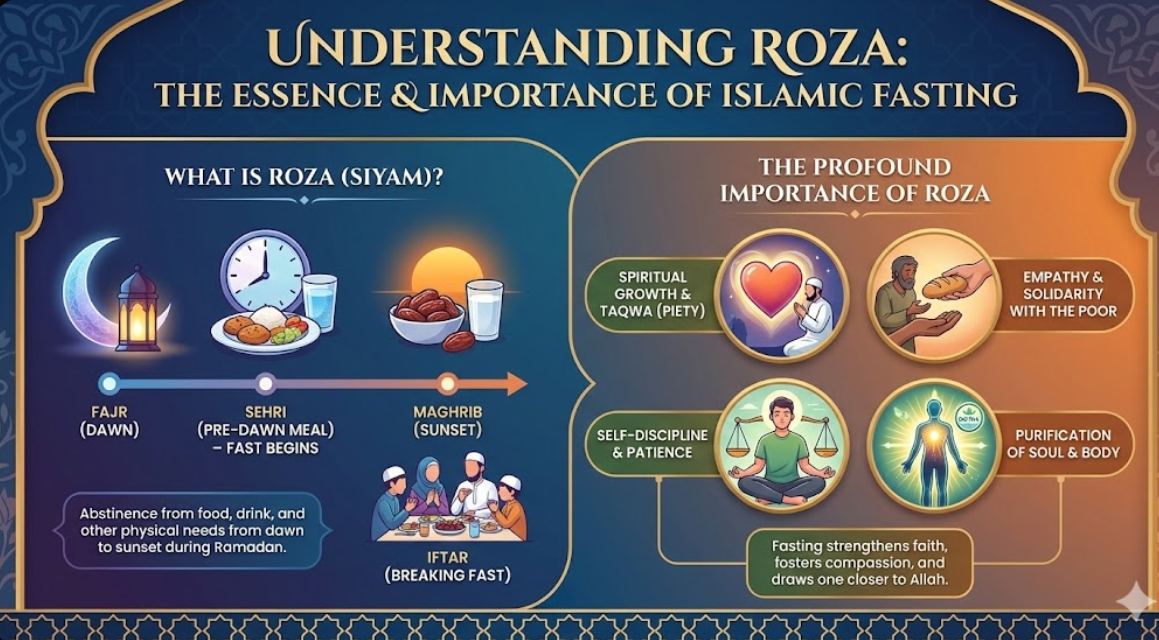
1. The Power of the Pre-Dawn Meal (Suhoor)
The fasting day always begins in the quiet, dark hours well before dawn. During this early time, Muslims eat a special, energizing meal called Suhoor. Waking up for this meal is highly encouraged by Prophet Muhammad (peace be upon him). Importantly, it provides the vital physical energy needed to survive the long day. Before the prayer call starts, you must make a firm intention to fast. Furthermore, it is very helpful to memorize and carefully recite the roza rakhne ki dua. This powerful prayer formally dedicates your difficult day entirely to the Creator.
2. The Joy of Breaking the Fast (Iftar)
Eventually, the sun completely sets in the evening. At this exact moment, the fast concludes with a joyful meal known as Iftar. Unquestionably, this is a time of huge spiritual joy and deep gratitude. Traditionally, you should break your fast with a sweet, nutritious date and a sip of cool water. Before taking this very first bite, believers actively recite the roza kholne ki dua. Through this short prayer, they humbly thank God for the provided food and their physical strength.
Making the Most of the Last 10 Nights
The spiritual benefits of fasting reach their absolute peak at the very end of Ramadan. The final ten days hold the most sacred value in the entire Islamic calendar.
Hidden carefully within the odd-numbered nights of this final stretch is Laylat al-Qadr, widely known as the Night of Power. The Quran clearly states that sincere worship on this single night is better than a thousand months of regular worship. Consequently, believers spend these specific nights in deep prayer, intense supplication, and quiet reflection.
To ensure they do not accidentally waste these precious nighttime hours, many successful people follow a highly structured worship plan for the last 10 nights of Ramadan. This strategic guide clearly helps them maximize their spiritual focus, stay awake, and build an unbreakable connection with Allah.
Conclusion
So, what are the true benefits of fasting in Islam? Clearly, the practice is much more than a simple physical ritual of skipping a few daily meals. Actually, it operates as a complete, full-body training program. God designed it specifically to purify the human soul, thoroughly discipline the ego, and noticeably heal the physical body.
Through the rigorous practice of fasting, a believer actively learns the difficult art of patience. They discover the true, hidden value of daily gratitude. Furthermore, they experience the real power of human empathy by feeling the exact hunger of the poor.
By voluntarily giving up the basic necessities of life for just a few hours, Muslims learn a highly vital lesson. They are constantly reminded that absolutely everything they own is just a temporary, fragile gift from the Almighty. Ultimately, the true importance of fasting lies directly in its unique ability to transform a person completely from the inside out. It proudly leaves you spiritually refreshed, physically detoxified, morally upright, and deeply connected to your Creator forever.
Frequently Asked Questions (FAQs)
1. What are the main spiritual benefits of fasting in Islam?
The biggest spiritual benefit is attaining Taqwa (God-consciousness). Fasting also brings complete forgiveness for past sins, acts as a protective shield against bad deeds, and builds a highly private, sincere relationship with Allah.
2. Are there any physical benefits of fasting?
Yes, absolutely. Fasting provides immense digestive rest. It heavily promotes cellular repair (autophagy), regulates blood sugar levels, improves insulin sensitivity, and helps naturally detoxify the human body.
3. How does fasting affect mental health?
Fasting acts as a strict mental workout. It rapidly builds unbreakable willpower and extreme patience. Furthermore, it firmly teaches believers to control their toxic anger and successfully delay instant gratification.
4. Why is fasting considered a social benefit?
Fasting creates deep empathy for the poor because everyone experiences the exact same hunger. Consequently, this shared feeling drastically increases charitable giving (Zakat and Sadaqah) and strongly unites the community through shared evening meals.
5. How can I maximize the benefits of fasting?
To gain the most benefits, you should constantly read the Quran, avoid all sinful speech like gossiping, pray the evening Taraweeh prayers, and maintain excellent hydration during the non-fasting night hours.

- How to Apply for Family Registration Certificate (FRC) — NADRA Complete Guide 2026

- How to Register a Complaint on Pakistan Citizen Portal — Complete 2026 Guide

- Toyota Corolla Pakistan review: 2025 Model Specs & Price

- Fuel Efficient Cars Pakistan: Top Choices for 2026

- Land Record Online Pakistan – How to Check Property Records Online (2026 Guide)