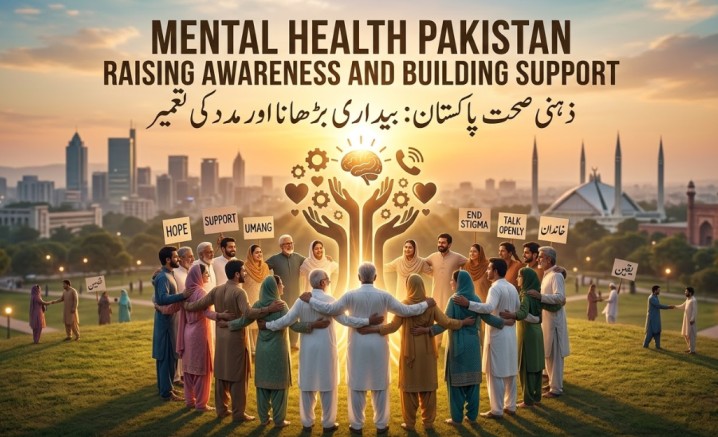
Mental Health Pakistan: Raising Awareness and Building Support
In Pakistan, conversations about emotional struggles often stay hidden behind closed doors, but attitudes are shifting rapidly as more people recognize the importance of emotional wellbeing. Mental health Pakistan challenges affect millions, from bustling urban centers to quiet rural villages, and addressing them openly brings real hope for healthier lives.
Awareness campaigns gain momentum across the country. Families encourage seeking professional guidance. Communities organize supportive events. This positive change helps individuals find strength and recovery paths more easily.
The Growing Importance of Mental Health Pakistan Today
Daily pressures in places like Karachi and Lahore build up quickly, leading to widespread emotional fatigue among residents who juggle demanding jobs, family responsibilities, and chaotic traffic. Statistics reveal that depression impacts nearly 34 percent of Pakistani adults, while anxiety disorders follow closely behind, particularly among the younger generation influenced heavily by social media trends. However, neglecting these issues only amplifies their effects on overall quality of life.
Prioritizing mental health Pakistan initiatives leads to improved productivity at work, stronger personal relationships, and greater resilience when facing everyday challenges. Societies that embrace open discussions about emotional health witness remarkable transformations in community wellbeing.
Key Mental Health Challenges Faced in Pakistan
Cultural expectations create distinct barriers here, where men often suppress their feelings to appear strong, and women silently carry heavy emotional burdens from household and societal roles. Depression in Pakistan manifests through persistent sadness, chronic fatigue, and disrupted sleep patterns that interfere significantly with routine activities.
Similarly, anxiety Pakistan experiences involve overwhelming worry, sudden panic attacks, and constant restlessness accompanied by a racing heartbeat and swirling negative thoughts. Trauma-related stress lingers long after natural disasters like floods, while grief from personal losses adds layers of complexity. Substance dependencies, such as smoking or drugs, emerge as temporary escapes that ultimately deepen the problems.
Early recognition of these symptoms encourages timely intervention and better outcomes.
Overcoming Stigma Through Mental Health Awareness Pakistan
Traditional taboos have long silenced discussions, with derogatory labels like “pagal” causing unnecessary shame and isolation for those affected. Fortunately, transformation begins within households when families start sharing personal stories without fear or judgment, gradually normalizing the idea of professional therapy.
Educational institutions now incorporate lessons on coping strategies, while religious leaders in mosques deliver sermons on emotional resilience. Popular dramas portray authentic mental health journeys, and celebrities openly recount their recovery experiences, inspiring fans nationwide. Moreover, young influencers drive viral campaigns on platforms like Instagram and TikTok under hashtags such as #MentalHealthPakistan, accelerating the cultural shift.
Although progress moves steadily rather than overnight, consistent efforts continue to dismantle longstanding barriers.
Accessible Mental Health Support Pakistan Options
Numerous resources stand ready to assist anyone navigating emotional difficulties, ensuring no one battles alone in this journey. Government hospitals provide psychiatric services, and specialized institutes like NIMHANS offer advanced training for healthcare professionals across the nation.
Private clinics in major cities deliver personalized sessions with licensed psychologists and empathetic counselors who specialize in local contexts. For immediate confidential assistance, hotlines operate around the clock—resources like Umang Pakistan deliver free, anonymous support whenever needed.
Digital platforms revolutionize access through affordable online therapy apps that connect users with experts from the comfort of home. Community-based support groups foster peer connections, while physical activity complements emotional care; incorporating a nutritious approach, such as ideas from this Pakistan diet plan for weight loss, enhances mood stability and energy levels.
Taking that initial step toward professional help often unlocks profound healing.
Family and Community Roles in Strengthening Mental Health Pakistan
Strong family networks serve as the foundation for emotional recovery, offering unwavering love and practical encouragement during tough times. Active listening without interruption, warm embraces, and shared family meals create vital bonds that combat feelings of isolation.
Elders contribute timeless wisdom with reassuring phrases like “everything will turn out fine,” providing comfort rooted in experience. Neighbors perform gentle check-ins through casual conversations, preventing anyone from slipping into complete solitude. Places of worship host collective prayers and discussions that blend spiritual solace with practical advice.
Community activities like group walks or laughter yoga sessions promote joy and connection. Collective strength ensures that individuals never face their struggles in isolation.
Expanding Mental Health Services and Resources in Pakistan
The service landscape evolves impressively with each passing year, bringing help closer to those who need it most. In Karachi, renowned facilities like Aga Khan University Hospital manage complex cases with expert psychiatric teams.
Lahore’s Fountain House provides comprehensive rehabilitation programs, including engaging daytime activities for sustained recovery. Islamabad benefits from advanced care at Shifa International Hospital, where specialists focus on innovative treatments. Even remote rural regions gain access through expanding telehealth services that overcome transportation obstacles.
Outstanding NGOs make significant impacts; for instance, the British Asian Trust invests in vital projects—explore their contributions via mental health in Pakistan. Free community workshops teach effective stress management techniques, and user-friendly apps help track daily moods for proactive insights.
These developments ensure broader reach and more effective support systems.
Practical Daily Habits to Boost Mental Wellbeing Pakistan
Incorporating simple routines yields substantial benefits for emotional health over time. Rising early for prayer or quiet meditation establishes a calm, positive mindset for the day ahead.
Brisk outdoor walks allow sunlight to naturally elevate serotonin levels while fresh air clears mental fog effectively. Maintaining a gratitude journal shifts perspective toward positivity amid difficulties.
Nutrient-rich meals featuring fresh fruits, vegetables, and nuts provide essential brain fuel without overwhelming the system. Reducing screen exposure in favor of reading physical books fosters deeper relaxation.
Daily outreach to friends via calls or messages sparks genuine laughter and connection. Prioritizing seven to eight hours of quality sleep acts as a powerful recharge mechanism.
These habits, practiced consistently, form a resilient shield against emotional turbulence.
Supporting Student Mental Health in Pakistan
Academic pressures weigh heavily on students, with intense board examinations and uncertainties about future careers creating relentless stress. Many schools now employ on-site counselors who conduct regular talk sessions to lighten these emotional loads.
Parents offer guidance by praising effort and perseverance rather than fixating solely on final grades, which builds confidence. Adopting efficient study techniques with scheduled breaks keeps young minds refreshed and focused.
Peer support circles allow students to exchange coping strategies, reminding everyone that shared experiences lighten individual burdens. Achieving academic success becomes far more attainable when emotional balance remains intact.
Enhancing Workplace Mental Health Pakistan
Corporate environments often intensify stress through tight deadlines and high performance expectations from supervisors. Forward-thinking companies introduce wellness programs featuring yoga sessions and mental health days to promote balance.
Employees benefit from setting clear boundaries, learning to politely decline overload when necessary. Deep breathing exercises during tense meetings help regain composure swiftly.
Organizing team lunches encourages conversations beyond professional topics, strengthening interpersonal ties. Leaders who demonstrate vulnerability by sharing their own challenges inspire trust and openness throughout the organization.
Healthier workplaces cultivate higher productivity and job satisfaction for everyone involved.
Navigating Mental Health During Festivals in Pakistan
Eid celebrations overflow with joy, yet large gatherings and elevated family expectations can sometimes trigger overwhelming anxiety. Planning shorter visits and communicating needs in advance eases the pressure significantly.
Stepping outside for fresh air amid the festivities provides quick relief from sensory overload. Expressing feelings openly before events garners understanding and support from loved ones.
Focusing on cherished moments like delicious meals and heartfelt laughter naturally replenishes emotional reserves. Balanced participation turns festivals into restorative experiences.
Leveraging Technology for Mental Health Awareness Pakistan
Mobile applications effectively monitor anxiety patterns and suggest tailored interventions based on user data. Teletherapy platforms eliminate travel hassles, enabling convenient sessions directly from home environments.
Social media amplifies awareness through engaging memes and informative reels that educate in entertaining ways. That said, avoiding excessive doom-scrolling remains crucial—curating positive content feeds protects mental space.
AI-powered chatbots deliver instant coping tips available anytime, day or night. Technology serves as a powerful ally when harnessed thoughtfully.
Government Policies Advancing Mental Health Pakistan
Prime ministerial directives allocate increased funding for expanding mental health units in public facilities nationwide. The 18th Amendment empowers provinces to tailor localized care programs effectively.
Ongoing training initiatives equip general doctors with psychiatric skills, addressing widespread shortages. Annual budgets prioritize prevention strategies alongside treatment expansions.
Protective legislation combats discrimination, safeguarding rights for those seeking care. Continued policy focus promises a brighter, more supportive future.
Inspiring Recovery Stories from Mental Health Support Pakistan
Ali, a resident of Faisalabad, overcame deep depression through consistent therapy combined with daily walks that restored his vitality. Sana from Peshawar triumphed over severe anxiety with steadfast family encouragement guiding her progress.
Support groups celebrate these victories publicly, motivating others to embark on their own healing journeys. Authentic narratives demonstrate that recovery lies within reach for everyone.
Persistent Challenges and Promising Future for Mental Health Pakistan
Remote areas still struggle with limited access due to poor infrastructure and transportation issues. Funding constraints hinder rapid scaling of professional training programs.
Cultural evolution progresses gradually, though widespread education accelerates acceptance. The COVID-19 pandemic heightened demands, yet telehealth innovations filled critical gaps efficiently.
Optimistic youth activism demands systemic improvements, paving the way for comprehensive change. Strategic investments today ensure thriving emotional health tomorrow.
Blending Faith with Mental Health Practices in Pakistan
Islamic teachings provide profound comfort, as Quranic verses soothe troubled hearts and Salah rituals center wandering thoughts. Sufi poetry offers uplifting reminders to seek inner peace.
Counselors increasingly integrate faith-based approaches, blending spiritual guidance with modern techniques for holistic recovery. Growing tolerance embraces diverse paths toward emotional harmony.
Unified spirit and mind foster lasting tranquility.
FAQs
What mental health issues most commonly affect people in Pakistan?
Depression and anxiety lead, often worsened by stress and unresolved trauma.
How can someone access mental health support Pakistan quickly?
Hotlines, clinics, and apps like Umang offer immediate, confidential assistance.
Is seeking therapy becoming normalized in mental health Pakistan contexts?
Yes, especially in urban areas where stigma continues to diminish steadily.
Why does physical health matter for mental wellbeing Pakistan?
Exercise and nutrition directly improve mood; balanced diets enhance emotional stability.
Where do free mental health awareness Pakistan resources exist?
NGO websites, government portals, and community online groups provide abundant materials.
How does family involvement aid depression in Pakistan recovery?
Active listening, encouragement, and professional referrals create strong support networks.
Essential Steps Forward in Your Mental Health Journey
Embracing mental health Pakistan principles through awareness and proactive support transforms individual lives and strengthens entire communities. Reach out boldly for help, nurture daily habits, and rely on your loved ones.
Share your experiences in the comments below. Together, we amplify positive change.